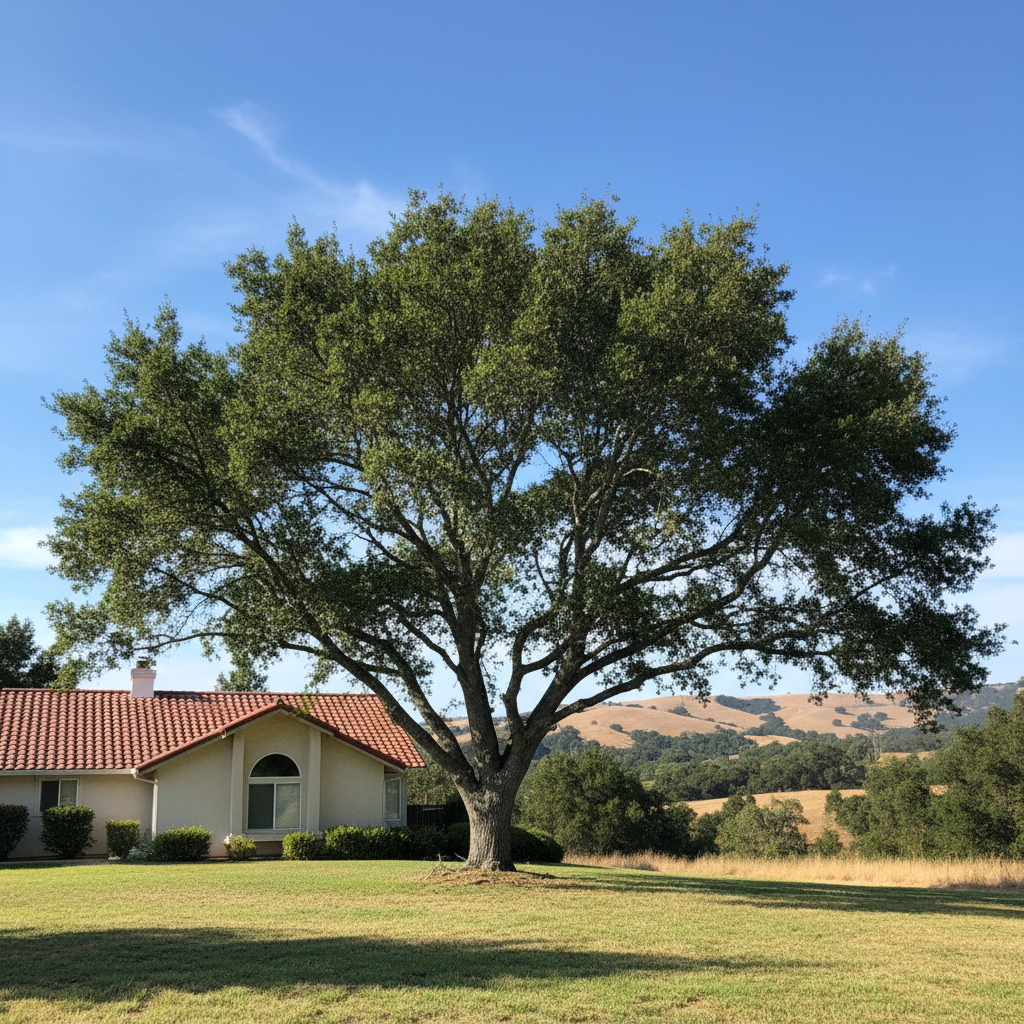
Timing Your Trims: It's All About the Seasons
Look, I get it. You see a branch that's too long, or maybe a tree just looks a little shaggy, and you think, “Time to trim!” But with trees, timing is a big deal, especially here in Napa. You can actually do more harm than good if you cut at the wrong time. It’s not just about getting rid of dead stuff; it’s about promoting healthy growth, strong structure, and keeping your property safe.
For most deciduous trees – that’s the kind that loses its leaves in the fall – the sweet spot for major structural pruning is usually late fall or winter. Why then? Well, the tree’s dormant. It's not actively growing, so it’s not putting a ton of energy into its leaves. When you make a cut, the tree has time to heal before it starts pushing out new growth in the spring. Plus, without leaves, we can see the tree's structure clearly, making it easier to spot crossing branches or weak spots. Think of it like a surgeon working when the patient is asleep – less stress, clearer view.
Now, some trees, especially those that flower early in the spring, are an exception. If you prune a flowering tree like a Dogwood or a Cherry in the winter, you'll be cutting off all those beautiful flower buds. For those, you generally want to wait until right after they finish blooming. That way, you get to enjoy the flowers, and then you can shape it up without sacrificing next year's show.
Evergreen trees, like our native Oaks or many conifers, are a bit more flexible. You can often do light pruning any time of year to remove dead or diseased branches. But for heavier work, late winter to early spring, before their main growth spurt, is usually best. You want to avoid pruning evergreens in the late summer or fall, especially if you're making big cuts. New growth might not have enough time to harden off before our winter frosts hit, making it vulnerable.
Napa Weather and Tree Work: What You Need to Know
Our weather here in Napa plays a huge role in when and how we can work on your trees. We've got those hot, dry summers and then the wet, sometimes windy, winters. Both have their challenges.
First off, wind. When it's really blowing, especially those strong gusts we sometimes get coming through the valley, it's just not safe to be up in a tree with a chainsaw. It's dangerous for my crew, and it's dangerous for your property. High winds can make branches unpredictable, and we're not going to risk it. We'll reschedule if the wind's too high, no question.
Rain and wet conditions are another factor. Climbing wet trees is slippery and hazardous. Plus, if we're bringing heavy equipment onto your property, especially if you've got that heavy clay soil common around areas like Coombsville, we can do some serious damage to your lawn or landscaping. We try to be super careful, but sometimes, waiting for things to dry out is the only responsible thing to do. We don't want to leave you with a muddy mess and deep ruts.
Then there's the heat. Our summers can get scorching. Working safely in 100-degree heat is tough, and it's not fair to my crew. We'll often start earlier in the day during the summer or schedule for cooler days if possible. It's all about safety and making sure the job gets done right without anyone getting heatstroke.
Protecting Your Investment Year-Round
Think of your trees as long-term investments. They add value, shade, and beauty to your home. Regular, thoughtful trimming is a big part of protecting that investment. But it’s not just about the cuts.
- Keep an Eye Out: Regularly walk around your property and look at your trees. See any dead branches? Cracks in the trunk? Mushrooms growing at the base? These are all signs that something might be wrong. Catching problems early can save the tree and save you money.
- Water Wisely: Especially during our dry summers, your trees need water. Young trees definitely need consistent watering, but even mature trees can benefit from a deep soak once in a while, particularly if we've had a dry winter. Don't just sprinkle; give them a good, long drink.
- Mulch Matters: A good layer of mulch (not piled up against the trunk, mind you!) around the base of your trees helps retain moisture, regulate soil temperature, and suppresses weeds. It's like a protective blanket for their roots.
- Professional Check-ups: Just like you take your car in for maintenance, it's a good idea to have a certified arborist, like us at Skyline Tree Solutions, take a look at your trees every few years. We can spot issues you might miss and give you a plan for ongoing care. We're not just about cutting; we're about keeping your trees healthy and thriving for decades.
Ultimately, taking care of your trees is a year-round commitment. But by understanding the best times to trim and being aware of how our local weather impacts the work, you'll ensure your trees stay healthy, beautiful, and safe for years to come.